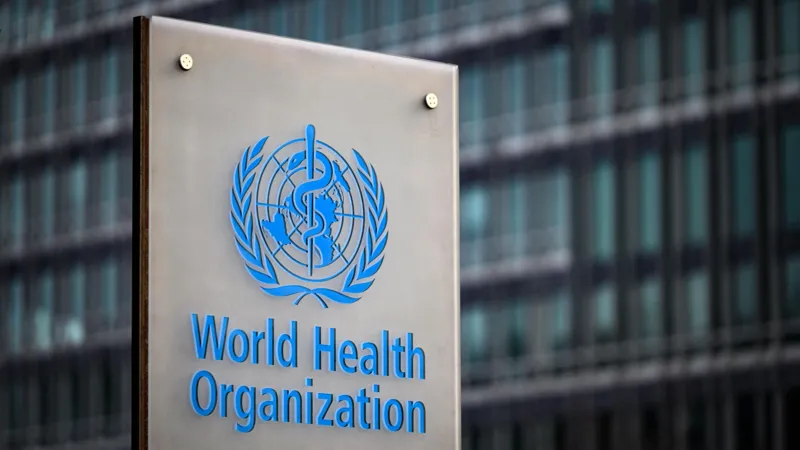
US leaves World Health Organization after officially completing its withdrawal from the global health body, ending a long and controversial relationship.
The decision follows an executive order signed by Donald Trump during his second term as US president. The order was first announced a year ago, with strong criticism aimed at the World Health Organization over its handling of the Covid-19 pandemic.
Why the US Leaves World Health Organization
According to the US Department of Health and Human Services, the decision that the US leaves the World Health Organization was driven by several key concerns. Officials pointed to what they described as weak handling of the pandemic, a lack of meaningful internal reforms, and growing political influence from certain member states.
US officials also accused the WHO of being overly supportive of China during the early stages of Covid-19. These claims have been firmly rejected by the organisation.
WHO response to the US withdrawal
The WHO said the move was a loss not just for the organisation, but also for the United States and the wider world. Director-General Tedros Adhanom Ghebreyesus highlighted the WHO’s work in fighting diseases such as polio and HIV, improving maternal health, and reducing tobacco use worldwide.
The organisation stressed that cooperation between countries is essential to deal with global health threats.
Impact on WHO funding and jobs
For many years, the United States was one of the largest contributors to the WHO. However, since the US leaves the World Health Organization, it has not paid its membership contributions for 2024 and 2025. This shortfall has placed serious pressure on the organisation’s budget and has already resulted in significant job losses.
WHO legal experts believe the US still owes around $260 million in unpaid contributions. Washington has said it does not accept any obligation to pay this amount.
All US government funding to the WHO has now stopped. American staff have been recalled from WHO offices in Geneva and other locations, and hundreds of joint health programmes have been cancelled or paused.
Future health cooperation plans
US officials say the country will now work directly with individual nations to track diseases and share health data. However, they have not named which countries are involved in these arrangements.
When asked about ongoing global efforts such as polio eradication or HIV prevention, officials said the US plans to work with non-government organisations and faith-based groups, but no clear partnerships have yet been confirmed.
There is also uncertainty over whether the US will continue to take part in the development of the annual global flu vaccine.
Pandemic treaty and global concerns
After Covid-19, WHO member states worked on a global pandemic treaty aimed at better preparation and fairer sharing of vaccines and medicines. The agreement was finalised last year, but the US did not take part.
Health experts warn that reduced cooperation could weaken the global response to future pandemics.
Criticism of the US Covid response
Several studies have criticised the US response to Covid-19, pointing to delayed action and mixed public messaging. Experts say slow decisions on lockdowns, masks, and social distancing allowed the virus to spread more quickly.
Former US public health officials have argued that political divisions made the situation worse, with different states following very different rules.
What happens next
The WHO has confirmed that the US withdrawal will be discussed at its next board meeting in early February. The organisation says it will follow guidance from its governing bodies on how to move forward.
Despite the separation, the WHO has said it hopes future cooperation may still be possible for the benefit of global health.
As global health systems adjust to these changes, independent organisations continue to play an important role in sharing safety knowledge and promoting best practices. Platforms such as OSH Association focus on raising awareness around occupational safety, health standards, and worker wellbeing across different industries. Resources like these help organisations and professionals stay informed, especially at a time when international health cooperation is facing new challenges.