A project funded by the European Union has provided initial health and safety workshops to smallholder farmers in Minas Gerais to improve labour practices.
- The International Labour Organization collaborated with local unions to train five cooperatives and over 80 rural workers on safety practices.
- Workshops addressed common sector risks including pesticide handling, machinery operation, and high exposure to sun and dust.
- Two new training manuals have been launched to help 30,000 cooperative members adopt fundamental rights and safety principles.
A project part-financed by the European Union has delivered its first occupational health and safety training to coffee cooperatives, rural unions and smallholder farmers in Brazil.
The training program – aimed at promoting safe, fair, and sustainable labour practices in the rural coffee industry – is the outcome the International Labour Organization’s Vision Zero Fund, in partnership with the EU and with Brazil’s Ministry of Labour and Employment and the National Confederation of Rural Salaried Workers (CONTAR).
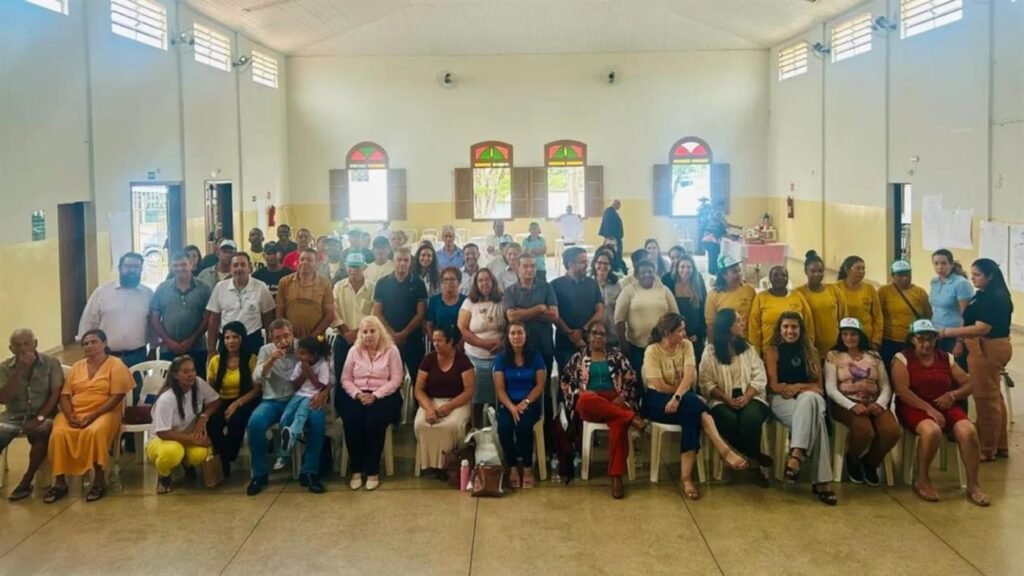
According to the ILO, the first training workshops have now been completed with five regional cooperatives and more than 80 small producers and rural workers in the municipality of Santo Antônio do Amparo in Minas Gerais – Brazil’s largest coffee-producing region.
Collectively, the five cooperatives will trickle this training down to more than 30,000 members, helping to ensure improved OSH practices across the region.
The training lasted three days, comprising education around field-level safety for smallholder farmers and wage laborers.
Other sessions included discussing the most common risks in coffee production, including pesticide handling, machinery use, prolonged repetitive labour, and high exposure to sun and dust.
Commenting on the program, Brazil’s Ministry of Labour labour inspector, Leandro Costa, Marinho said: “Strengthening OSH capacity within cooperatives is essential to building long-term improvements in Brazil’s coffee sector.”
Marinho added: “When cooperatives become prevention leaders, safety culture reaches thousands more workers.”
The start of the training also served to mark the launch of two ILO training manuals – Instructor’s and Participant’s Guides – providing workers with practical tools to strengthen OSH and Fundamental Principles and Rights at Work (FPRWs) across Brazil’s coffee sector.
ILO-Brazil national project officer Juliana Brandão described the manuals as helping to translate knowledge into tangible improvements in safety.
Commenting on the program overall, National Confederation of Rural Wage Workers project coordinator, Laíssa Pollyana Carmo, said: “Empowering rural workers about their rights and occupational safety is an investment in lives. We celebrate initiatives like this one that place prevention and fundamental rights at the center of the coffee sector’s agenda.”
Brazil is the world’s largest coffee producer and exporter, and it employs more than 300,000 workers directly. However, the informality of the sector – especially through the use of temporary workers, means occupational risks remain prevalent.