Workplace safety training has become one of the most important responsibilities of any serious organisation. In today’s fast-changing work environment, employers can no longer rely on experience alone or assume that workers already know how to stay safe. Every workplace carries risks, and without proper training, even simple daily tasks can lead to preventable accidents, injuries, and losses.
The Growing Need for Workplace Safety Training
Across industries such as construction, manufacturing, healthcare, logistics, oil and gas, and office environments, the nature of work continues to evolve. New equipment, changing procedures, and increasing operational demands mean that workers must be properly trained to recognise hazards and respond correctly.
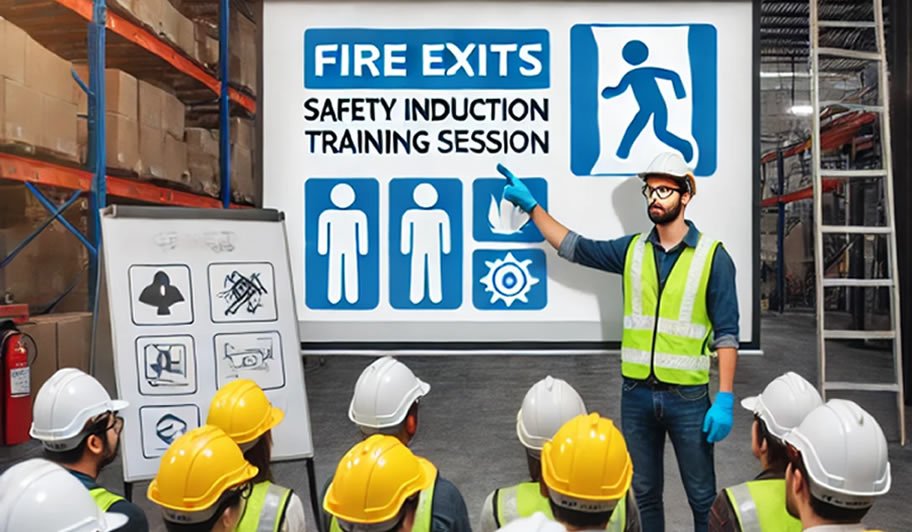
Workplace safety training gives employees the knowledge they need to identify risks, use equipment safely, follow procedures, and act responsibly during emergencies. It also helps employers build a safer environment where prevention becomes part of everyday operations.
Why Experience Alone Is Not Enough
One of the biggest mistakes organisations make is assuming that experienced workers no longer need training. In reality, experience without proper and updated safety instruction can still leave workers exposed to serious risks.
Even long-serving employees need regular refresher training to remain aligned with current safety standards, workplace conditions, and emergency procedures. Safety knowledge must be continuously reinforced to remain effective.

Common Areas Where Safety Training Makes a Difference
Effective workplace safety training helps workers understand and apply practical safety measures in key areas such as:
- Hazard identification
- Proper use of personal protective equipment
- Safe handling of tools and machinery
- Emergency response procedures
- Fire safety awareness
- Manual handling techniques
- Reporting unsafe acts and near misses
These areas are critical in reducing incidents and creating more safety-conscious workplaces.
The Role of Supervisors and Management
Safety training should not be limited to junior staff or frontline workers alone. Supervisors, managers, and team leaders also need proper training so they can enforce standards, provide guidance, and lead by example.
When leadership is trained and actively involved in safety practices, employees are more likely to follow procedures and take workplace health and safety seriously.
Benefits of Proper Safety Training
When employees are properly trained, organisations often experience several important benefits, including:
- Improved hazard awareness
- Fewer workplace injuries and incidents
- Better compliance with safety regulations
- Stronger emergency preparedness
- Improved worker confidence and competence
- Reduced downtime and financial losses
- A stronger workplace safety culture
These benefits show that safety training is not merely a legal obligation but a practical investment in business continuity and workforce protection.
The Cost of Ignoring Safety Training
Failure to provide adequate workplace safety training can have serious consequences. Workers may be exposed to unnecessary risks, employers may face legal liabilities, and organisations may suffer reputational damage, operational disruption, and financial penalties.
In many cases, accidents happen not because hazards were impossible to identify, but because workers were not properly trained to recognise and manage them.
Workplace Safety Training Supports Productivity and Trust
A safe workplace is usually a more productive workplace. When workers feel protected, informed, and supported, they are often more confident in carrying out their responsibilities. This builds trust within the workforce and encourages a culture of accountability and shared responsibility.
An organisation that invests in safety training sends a clear message that it values people, prevention, and professional standards.
How OSHAssociation Supports Safer Workplaces
At OSHAssociation, we are committed to advancing workplace safety through professional training, certification, safety awareness, and development programmes for individuals and organisations. We support employers, workers, and safety professionals who want to build safer, more responsible, and more compliant workplaces.
Our commitment remains clear: Promoting Safety, Saving Lives.
Through our programmes, we help organisations strengthen workplace safety culture, improve competence, and support compliance with recognised occupational safety and health standards.
Conclusion
Workplace safety training is more important than ever because it protects lives, strengthens compliance, improves productivity, and helps organisations prevent avoidable incidents. It should never be treated as a one-time exercise, but as an ongoing commitment to safer operations and better workplace outcomes.
To learn more about occupational safety and health training, certification opportunities, membership, and upcoming programmes, visit www.oshassociation.org
A safer workplace begins with the right knowledge — and the right training.