Langerhans Cell Histiocytosis in Children is a rare and serious condition that can often be mistaken for common skin problems. One recent case highlights how easily early warning signs can be overlooked and why parents must stay alert when symptoms do not improve.
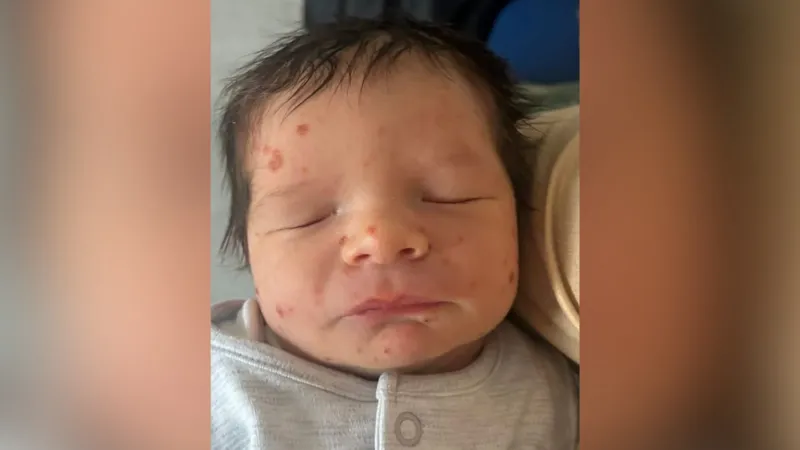
A young child was born with red spots across his body, initially thought to be harmless skin conditions. However, his symptoms continued to worsen, eventually leading to a diagnosis of a rare cancer-like illness.
What Is Langerhans Cell Histiocytosis?
Langerhans Cell Histiocytosis in Children is a condition in which certain white blood cells grow abnormally and build up in different parts of the body. These cells, known as histiocytes, can affect the skin, lymph nodes, ears, and other organs.
Although it is not always classified as cancer, it behaves in a similar way because of uncontrolled cell growth.
In the United Kingdom, the condition affects around 50 children each year, making it extremely rare.
Early Signs That Can Be Misdiagnosed
One of the biggest challenges with Langerhans Cell Histiocytosis in Children is that its symptoms often resemble common childhood conditions.
Early signs may include:
- Red or irritated skin spots
- Persistent rashes
- Cradle cap that does not improve
- Repeated ear infections
- Open sores in skin folds
Because these symptoms are common, the condition is sometimes misdiagnosed as eczema, psoriasis, or viral infections.
When Symptoms Become More Serious
In many cases of Langerhans Cell Histiocytosis in Children, symptoms gradually worsen over time.
As the condition progresses, children may develop:
- Painful skin irritation
- Swelling in lymph nodes
- Ongoing infections
- General discomfort or distress
When treatments for common conditions fail to improve symptoms, it is important to seek further medical advice.
The Importance of Early Diagnosis
Early detection of Langerhans Cell Histiocytosis in Children can make a significant difference in treatment outcomes.
In this case, after months of worsening symptoms, the child was referred for specialist care and later diagnosed correctly. Once diagnosed, treatment began quickly, including chemotherapy to control the abnormal cell growth.
Doctors aim to reduce the spread of affected cells and manage symptoms to improve the child’s quality of life.
Treatment and Recovery
Treatment for Langerhans Cell Histiocytosis in Children often involves a combination of therapies depending on how the condition affects the body.
Common treatments include:
- Chemotherapy
- Steroid medication
- Ongoing medical monitoring
With proper treatment, many children respond well, and symptoms can improve significantly over time.
Recovery may take months or longer, depending on the severity of the condition.
Why Parents Should Trust Their Instincts
One of the most important lessons from this case is the need for parents to trust their instincts.
When symptoms continue despite treatment or seem unusual, it is important to:
- Seek a second medical opinion
- Request specialist referrals
- Monitor changes carefully
Parents often notice subtle changes that may not be immediately obvious during routine medical visits.
Raising Awareness of Rare Conditions
Because Langerhans Cell Histiocytosis in Children is rare, awareness is limited. This can lead to delays in diagnosis and treatment.
Sharing real-life experiences helps highlight the importance of recognising early warning signs and taking concerns seriously.
Improved awareness among both parents and healthcare professionals can lead to earlier diagnosis and better outcomes.
Conclusion
Langerhans Cell Histiocytosis in Children is a rare but serious condition that can easily be mistaken for common illnesses. Early symptoms such as rashes and infections should not be ignored if they continue to worsen or fail to respond to treatment.
By staying informed, seeking timely medical advice, and trusting parental instincts, families can ensure children receive the care they need as early as possible.
About OSHAssociation
For guidance on health awareness and safety practices, organisations such as OSH Association provide useful resources and educational support. Their work helps improve understanding of health conditions, risk awareness, and overall wellbeing across different communities and workplaces.
Our Latest News
- 5 Steps to Improve Health and Safety Awareness in the Workplace
- Ecobalance Academy Ltd Nigeria Achieves Accreditation as an International OSHAssociation UK Authorised Training Provider
- OSHAssociation UK Supported HSEC Training Services Ltd to Deliver ICAM Incident Investigation Training to Nimba Mining Company Employees in Guinea.
- The Real Cost of Ignoring Workplace Safety
- How Organisations Can Build a Strong Safety Culture