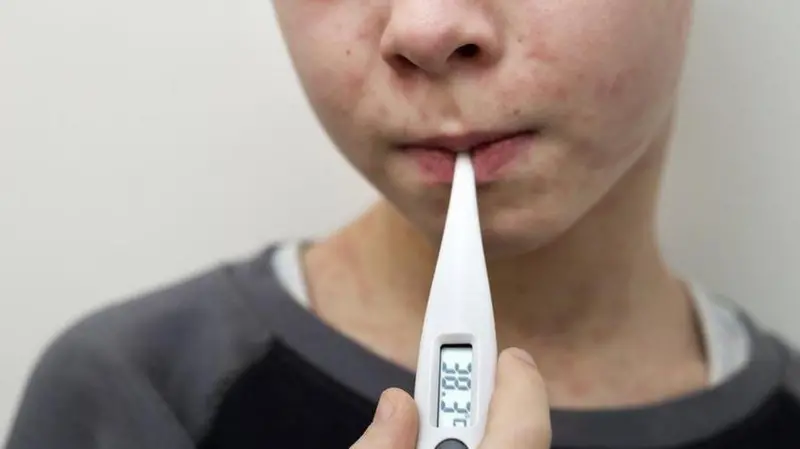
UK loses measles elimination status, a major public health setback confirmed by the World Health Organization following a sharp increase in cases across the country.
The decision comes after widespread outbreaks in 2024, when around 3,600 measles cases were suspected. Elimination status means there is no long-term or sustained spread of the virus, a standard the UK no longer meets.
What It Means When the UK Loses Measles Elimination Status
When the UK loses measles elimination status, it does not mean the disease has completely disappeared or returned everywhere at once. Instead, it shows that measles is spreading continuously within parts of the population. Because of the size and speed of outbreaks seen last year, many health experts had already expected this outcome.
More than 1,000 confirmed cases were recorded in 2024 alone, highlighting how quickly measles can return when immunity levels drop.
Falling vaccination rates play a key role
One of the main reasons the UK loses measles elimination status is declining vaccination coverage. To achieve herd immunity, at least 95% of the population needs to be vaccinated. This level helps stop the virus from spreading within communities.
By the end of 2024, vaccination uptake stood at 92% for the first dose of the MMR vaccine and just under 85% for the second dose, both below the recommended threshold.
A pattern of loss and recovery
When the UK loses measles elimination status, it follows a pattern seen before. The country was first declared measles-free in 2017 but lost that status two years later. It was regained in 2021, mainly because Covid-19 restrictions reduced social contact and limited the spread of the virus.
However, new outbreaks in late 2023 allowed measles to spread again, leading to a significant rise in cases throughout 2024.
Health experts raise serious concerns
Dr Vanessa Saliba from the UK Health Security Agency warned that infections can return quickly when childhood vaccination rates fall. She stressed that measles elimination is only possible when all eligible children receive two doses of the vaccine before starting school.
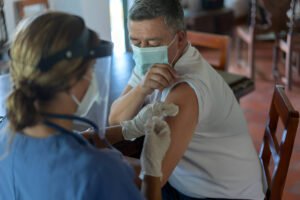
The NHS is now trying to boost uptake by offering the second MMR dose earlier, at a new 18-month appointment, and by encouraging catch-up vaccinations for older children and adults.
The urgent need for action
Dr Bharat Pankhania from the University of Exeter described the situation as deeply concerning, pointing to pockets of low or no vaccine uptake across the UK. He said urgent steps are needed, including easier access to GP services, more community health visitors, and stronger action against misinformation about vaccine safety.
Looking ahead
Although the UK loses measles elimination status, health experts say it can be regained. Improving vaccination coverage, rebuilding public trust, and ensuring easy access to immunisation services remain key to protecting communities and preventing future outbreaks.
As public health challenges grow, organisations outside government systems also play a supporting role in awareness and education. Platforms such as OSH Association focus on occupational health, safety standards, and risk prevention across workplaces and communities. Access to reliable safety guidance becomes especially important when preventable diseases resurface and place added pressure on national health systems.
Our Latest News
- How Proper Safety Training Helps Prevent Workplace Accidents
- 5 Steps to Improve Health and Safety Awareness in the Workplace
- Ecobalance Academy Ltd Nigeria Achieves Accreditation as an International OSHAssociation UK Authorised Training Provider
- OSHAssociation UK Supported HSEC Training Services Ltd to Deliver ICAM Incident Investigation Training to Nimba Mining Company Employees in Guinea.
- The Real Cost of Ignoring Workplace Safety